The mental loadtest for couples.
The mental load is the noticing, remembering and planning that keeps a home running. Go through twenty everyday things, say who usually thinks of each one, and see how it splits. Then send it to your partner, and see where you agree.
The mental load checklist.
For each one, who usually thinks of it? Not who does it: who notices it needs doing. Skip anything that doesn’t apply to you.
At home
Noticing the groceries or toilet paper are running low, before they run out
Planning what you’ll eat this week
Noticing when the house needs cleaning, or the laundry needs doing
Remembering when the bills are due
Knowing when something needs fixing, and who to call
The kids
Keeping track of school forms, permission slips and deadlines
Remembering doctor and dentist appointments
Knowing what they need next: shoes that are too small, a gift for a party
Arranging childcare or a sitter
Knowing what’s going on at school: events, teachers, friendships
Family and friends
Remembering birthdays, and getting the gift
Keeping in touch with family, on both sides
Answering invitations and keeping the calendar
Remembering what friends told you, and checking in after
Noticing how everyone is doing, and who needs a hand
Money and plans
Keeping track of money: the budget, and what’s coming up
Planning trips and holidays
Remembering renewals: the car, insurance, passports
Noticing a subscription to cancel or a plan to switch
Checking that what you agreed on actually got done
Your result shows here.
Answer the list above, and you’ll see how it splits between you.
- Mostly you
- 0
- Shared
- 0
- Mostly your partner
- 0
20 things to go. Your answers stay in this browser unless you send them. We never see them.
What the mental load is.
It’s the thinking part of running a home: noticing the rice is low, remembering the form is due Friday, knowing the car needs a service. The doing takes minutes; the noticing never stops. In a 2019 study of 35 couples, the sociologist Allison Daminger split this work into four steps: anticipating what’s needed, finding the options, deciding, and checking it got done. In her interviews, the anticipating and the checking fell mostly to women.
Why it’s hard to see.
Most of it happens in one person’s head, so the other person sees the result, not the work. That’s why couples often answer this test differently. Neither of you is wrong; you’re each seeing your own half.
How to share it.
Take the test separately, then compare, starting with the things you answered differently. Hand over whole things, noticing included: not “remind me to buy rice”, but “the pantry is yours”. Keep one list you both add to, so nothing lives only in one head, and look at it together for ten minutes once a week.
Where Dewby helps.
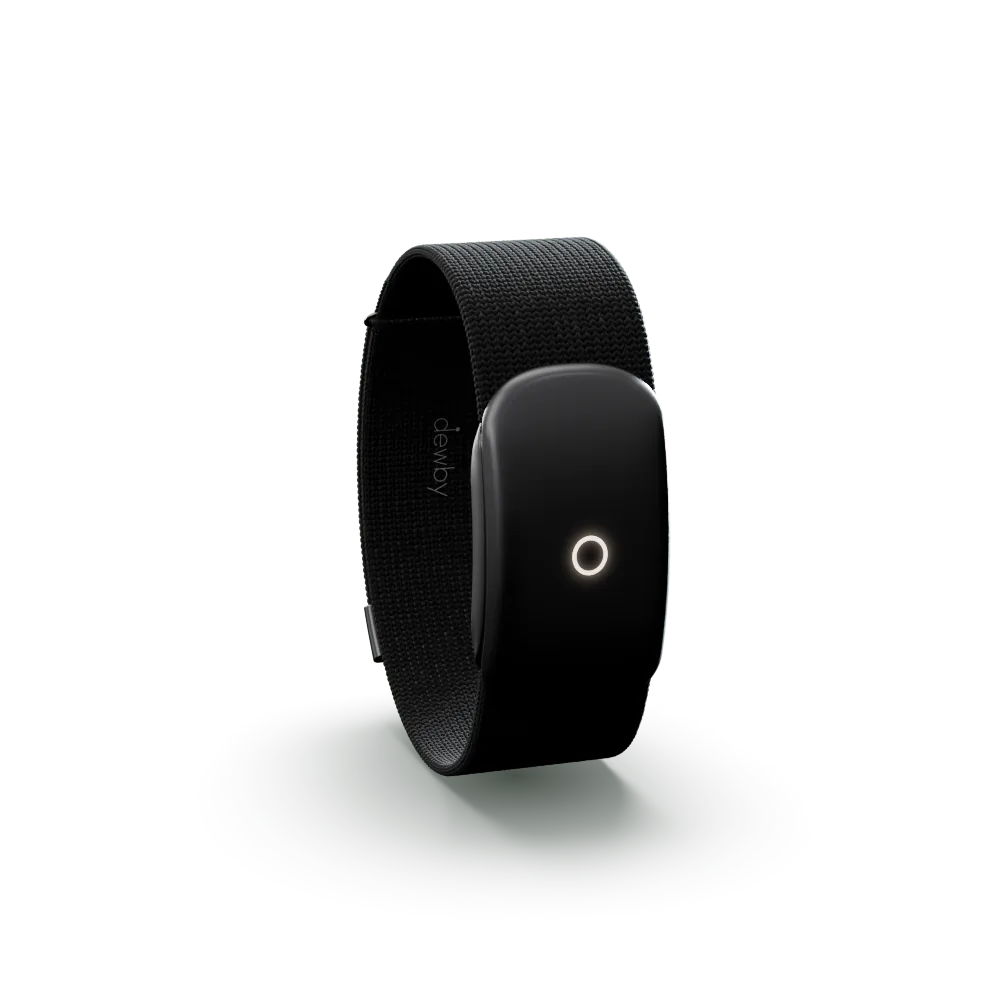
Dewby for two is two bands that share one list. Whatever either of you says out loud about home, like “we’re out of rice” or “I’ll call the plumber”, lands on the list with who said it, and gets handed to whoever is free. It’s one way to get the list out of one person’s head.
See Dewby for two
Questions.
What is the mental load?
The invisible work of running a home and a family: noticing what’s needed, remembering it, planning it and checking it got done. It’s separate from doing the task, and it’s the part that usually goes unseen.
Is there a mental load test for couples?
Yes, this one. It takes about three minutes: twenty everyday things, and for each you say who usually thinks of it. Then send it to your partner. They answer on their own, without seeing yours, and you both see where you agree and where you don’t.
Can my partner see my answers?
Only if you send them. The link you send carries your answers, so send it only to your partner. Your partner sees them after answering for themselves. We never see either of your answers.
What is a default parent?
The parent who handles the kids’ needs by default: the one the school calls first, who knows the shoe size and when the dentist is due. It’s the mental load, in a family with kids.
How do you split the mental load fairly?
Not by halving every task. Hand over whole areas, from noticing to finishing, so one of you owns the pantry or the kids’ appointments outright. Keep one shared list, and check in once a week.
Is this test scientific?
No. It’s a way to start the conversation, built around the four steps in Allison Daminger’s research, not a validated questionnaire.
Related.
Sources.
First Dew.
Dewby’s first edition. Pre-order two, and start with prototypes next week.
Dewby bands, for twoFirst Dew edition
$248
- Two prototypes within a week, yours to keep
- Your finished bands in January
- Free shipping, and 2 months of Dewby for two included
After that, $37.60 a month, or a limited free plan. Change your mind before your bands ship, and we refund $148. The prototypes are yours.