How to stop forgetting things at work.
Forgetting things at work is rarely a memory problem. It’s usually too many promises held in your head at once. The fix: get each one out of your head the moment it’s made. Put it in one place you actually look, with a time attached. Here are seven habits that do that, and none of them needs a new app.
Checked by Sricharan, who started Dewby.
We make Dewby, so read the last part with that in mind. Everything before it works without buying anything.
Why things slip.
Most of what you forget at work isn’t a fact, it’s a promise: send the deck, check with legal, reply to Sam. Remembering to do something later is its own kind of memory, and it fails in a particular way. Nothing reminds you at the right moment; you have to remember on your own, while you’re busy with something else. The more you’re carrying, the more of those moments you miss.
1. Catch it the moment it’s said.
Most tasks are born in conversation, and that’s where they get lost. When you say “I’ll send that”, write it down before the conversation moves on, even as three words. Thirty seconds now beats ten minutes trying to remember later. Psychologists call it offloading: putting something in a note or a reminder, so your mind is free for the work in front of you.
2. Keep one list.
Tasks spread across sticky notes, flagged emails, chat threads and your head are tasks you can’t see together. Pick one place, paper or app, and send everything there. The best system is the one you’ll open every day.
3. Give it a when.
“Send the recap” is a wish. “At 4 on Friday, I send the recap” is a plan. Plans like that get done more often. A review of 94 studies found that people who decided when and where they’d act reached their goals more often than people who only meant to. Put the when in your calendar, not just your list.
4. Set reminders for when you can act.
A reminder only works if it reaches you at a moment you can do the thing. Set it for when you’re back at your desk, not for the middle of back-to-back meetings. Tie small tasks to moments you won’t miss, like your first coffee or the end of your last meeting.
5. Write the next step, not the whole project.
An unfinished task keeps tugging at your attention. Researchers have found that making a specific plan for it, even before you start, stops that. When something big lands, write down the first concrete step and when you’ll do it, then let the rest go until then.
6. Say it back.
At the end of a meeting, read back what everyone agreed: who does what, by when. It catches misunderstandings early, and saying it out loud gives you a second chance to remember it.
7. Close the day in five minutes.
Before you log off, look over the day’s notes and messages for anything you agreed to. Move each one to your list with a date. It’s the review that keeps the other six habits working.
Where Dewby helps.
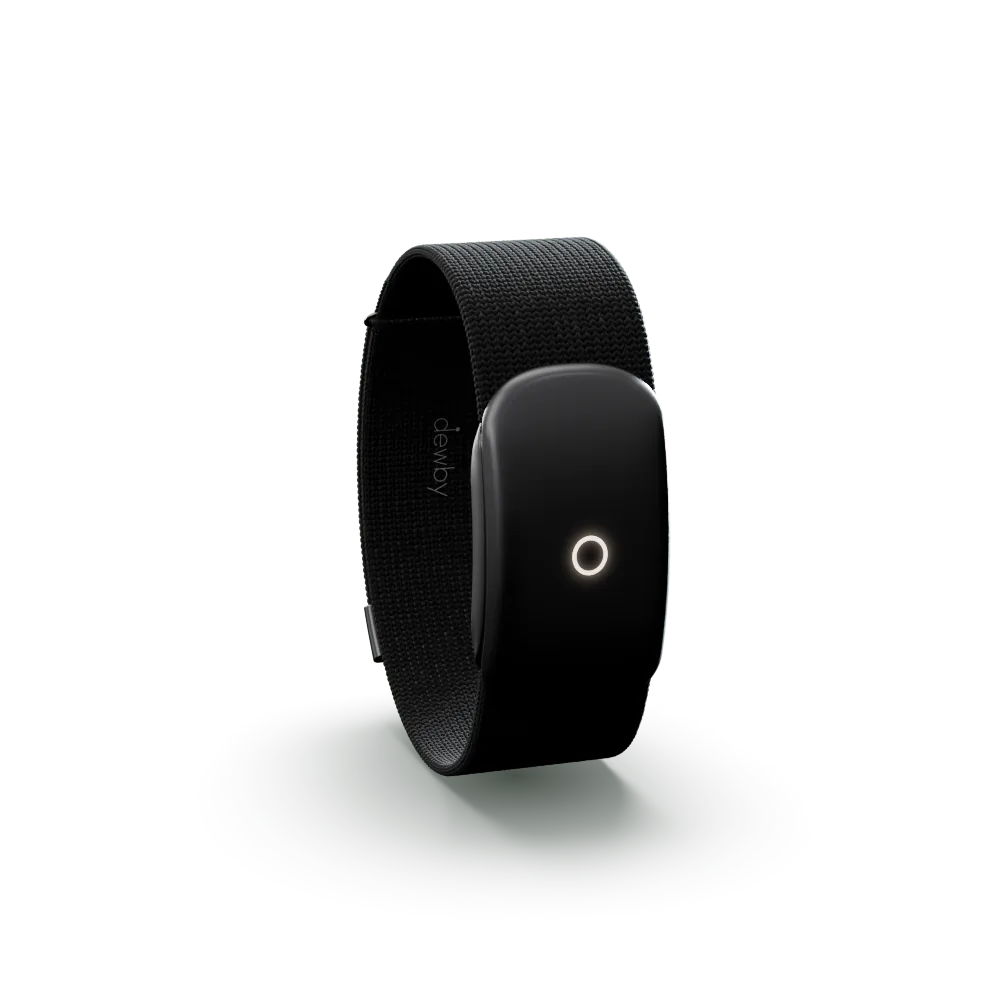
We make Dewby, so take this bit with a pinch of salt. Habit one is the hard one, because the promise is made while you’re busy talking. When you choose to have it listen, Dewby picks out what you said you’d do. It puts it on your list with a date, and nudges you on your iPhone when it’s due. It drafts the follow-up too, and asks before anything is sent.
Questions.
Why do I keep forgetting things at work?
Usually because there are more open promises than anyone can keep track of in their head, and they’re spread across meetings, chat and email. Stress, poor sleep and constant interruptions make it worse. If forgetting is new, sudden or getting worse, talk to a doctor.
How do I remember to do things?
Write it down the moment you agree to it, give it a specific time, and set the reminder for when you’ll be able to act. “After the stand-up, I email Priya” works better than “email Priya”.
What’s the best way to keep track of tasks at work?
One list you open every day, with dates on everything. A notes app, a calendar or paper all work. Tools differ mostly in how tasks get in: some need you to type them, others pick them up from email, meetings or conversation.
Is forgetting things at work a sign of ADHD?
Not on its own. Everyone forgets things at work, and workload, stress and sleep all play a part. If it’s getting in the way of your work or life, a doctor can help work out why.